
Gambling isn’t just a risky pastime — it’s a goldmine for neuroscience. When someone places a bet, their brain engages in some of its most complex tasks: calculating odds, handling uncertainty, managing reward expectations, and regretting past choices. That’s why neuroscientists are so drawn to gamblers — the brain activity during a wager reveals a lot about how we make decisions under pressure.
Mapping the Mind in Real Time
A research team from a California university used a rare method to study gambling behavior: electrocorticography (ECoG). Unlike traditional brain imaging, ECoG collects high-resolution electrical data directly from the surface of the brain, measuring up to a thousand times per second. The data came from patients with severe epilepsy who already had electrodes implanted for medical monitoring — a setup that made it possible to observe their brains while they played a simple betting game against a computer.
Participants could choose how much to bet each round. Half a second later, the outcome appeared — win or lose. Researchers varied the probability and size of the reward. Because every change in the betting conditions was timed precisely, they could track exactly which round the brain was processing at any given moment.
Regret Is the Dominant Emotion
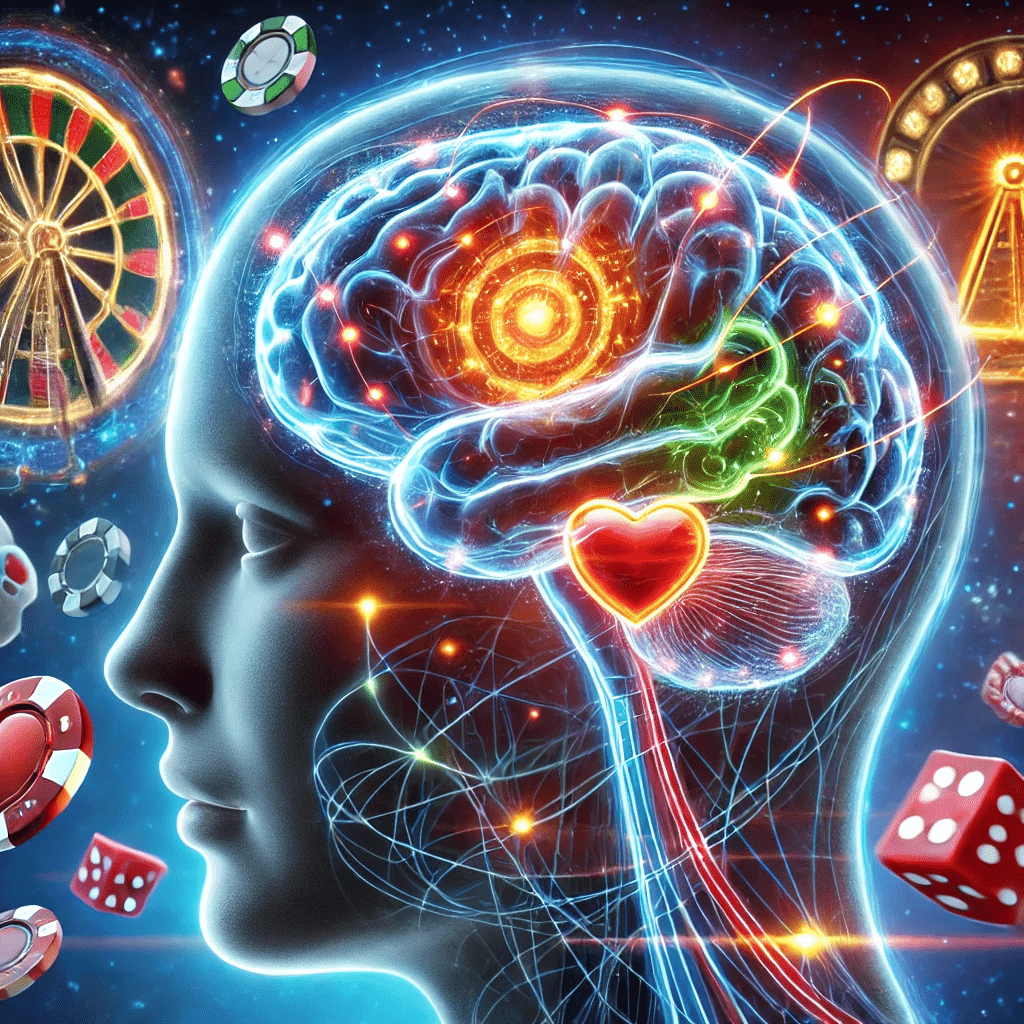
Earlier studies using MRI and EEG had already shown that the orbitofrontal cortex — a region associated with social behavior and decision-making — lights up during gambling. The new data confirmed this, but in much more detail. One particular part of the left hemisphere consistently activated right after each result, whether the participant won or lost.
What stood out was the emotional signature: regret. Players regretted losses, of course, but they also regretted not betting more when they won. The sense of “I should have done it differently” dominated the brain’s response — not joy, not relief, not anxiety. Just regret.
Locked in the Past
Surprisingly, participants’ brains weren’t gearing up for the next round. Instead, the mind stayed locked on the previous result, replaying it for the full 550 milliseconds until the next outcome was revealed. The brain didn’t seem interested in bets placed before that — only the most recent decision mattered.
Even once the next round began, the brain didn’t shift focus. There was no hopeful anticipation, no immediate reevaluation. The orbitofrontal cortex stayed stuck analyzing what had just happened, trying to learn from the mistake — or perceived mistake — of the last decision.
A Built-In Correction Loop
This brain behavior reflects a fundamental mechanism of human learning: we analyze the past to improve future decisions. That process is driven not by logic alone, but by emotion — especially the discomfort of regret. The mind wants to avoid making the same mistake again, so it runs simulations based on the last loss or missed opportunity.
This isn’t unique to gambling. The same system likely kicks in during daily life: missed chances, poor judgment, social missteps. Regret pushes us to recalibrate.
The Historical Link: Phineas Gage
The orbitofrontal cortex has been under the microscope since the 1800s. A famous case involved Phineas Gage, a railroad worker whose skull was pierced by a metal rod in an accident. Miraculously, he survived — but his personality changed drastically. Once calm and reliable, Gage became impulsive, erratic, and prone to aggression.
The injury had damaged the very region later linked to emotional regulation and decision evaluation. His case remains one of the earliest clues that the orbitofrontal cortex helps control our “brakes” — the internal system that tells us not to repeat actions with bad consequences.
The Bigger Picture
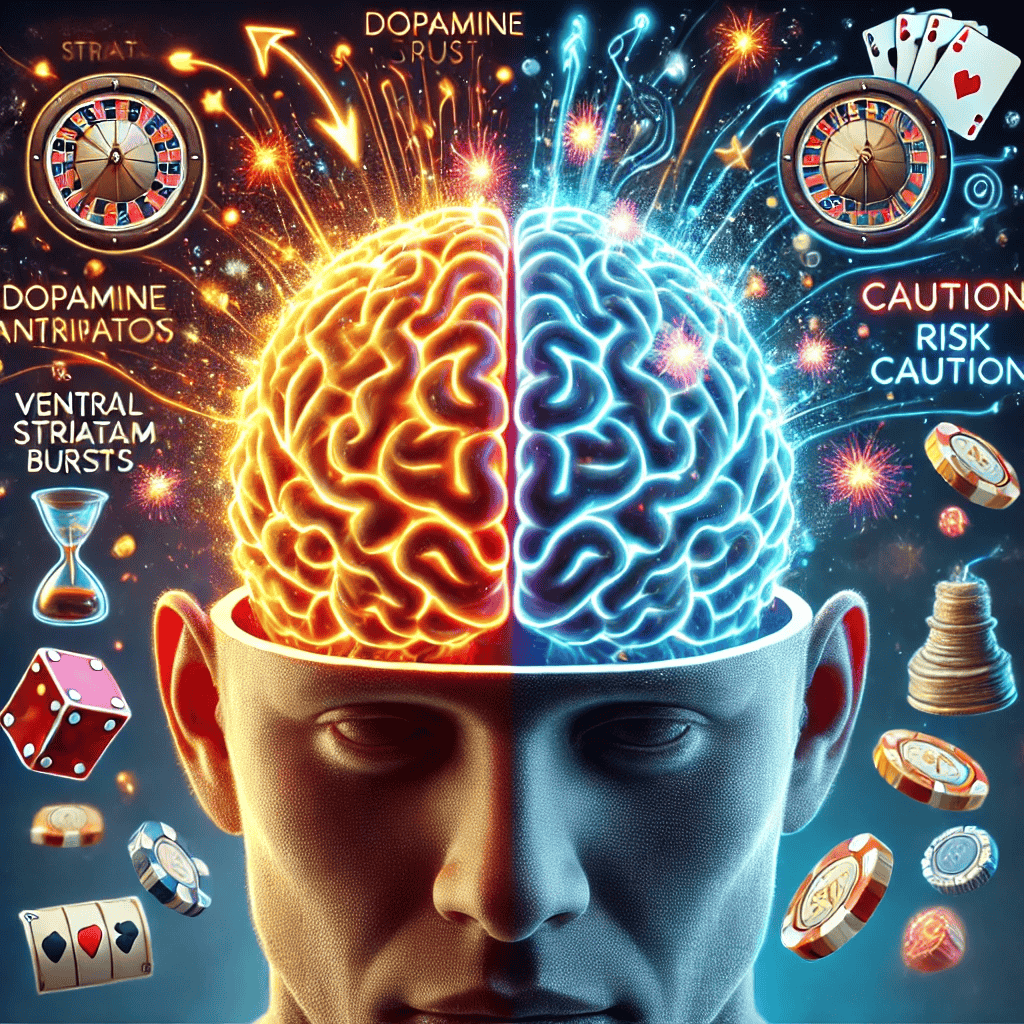
The findings from this gambling study may help explain a wide range of behavioral disorders. Brain injuries, tumors, or developmental differences in this region might impair a person’s ability to learn from mistakes, increasing the risk of impulsive or socially inappropriate actions.
It also adds to the growing field of behavioral economics, where researchers explore how emotion — not just logic — drives financial and personal decisions. The idea that each new choice is shaped primarily by regret over the last one could reshape how we model economic behavior and human psychology.
The gambler’s brain isn’t chasing thrill — it’s parsing the past, calculating pain, and trying to adjust. Neuroscience reveals that regret isn’t just a feeling — it’s a critical part of how we learn, adapt, and make sense of risk. And in that way, gambling becomes more than a game. It becomes a window into the human mind at work.